

Introduction to Free Trade Agreements
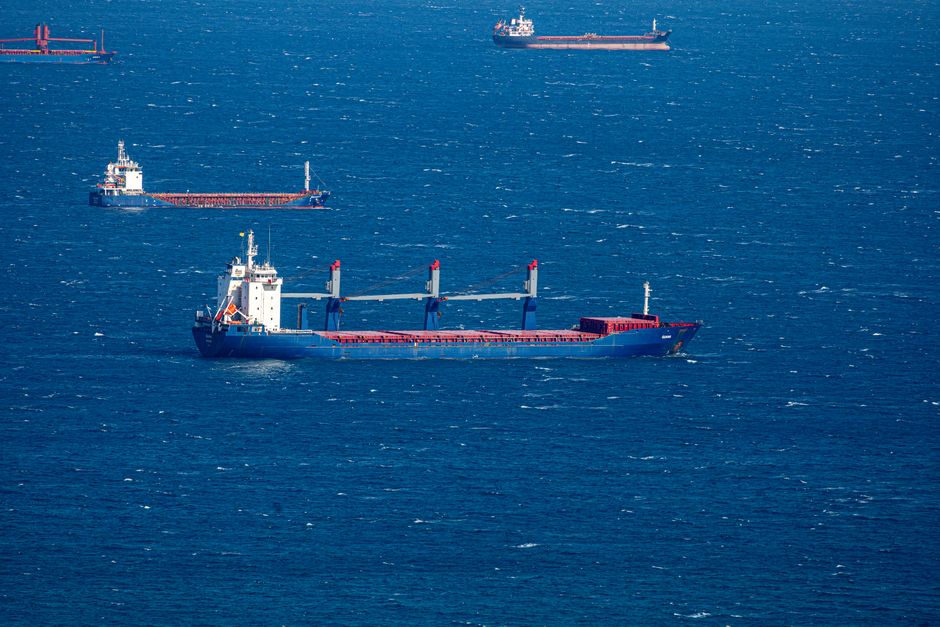
Imagine a world where goods and services flow seamlessly across borders, boosting economic growth and fostering global cooperation – this is the promise of free trade agreements, but is it too good to be true? As a business owner, you’re likely no stranger to the concept of free trade agreements. But have you ever stopped to think about what they really mean for your company, and for the global economy as a whole? Let’s take a closer look.
Understanding the Basics
So, what exactly is a free trade agreement? In simple terms, it’s a deal between two or more countries to reduce or eliminate tariffs and other trade barriers, making it easier for businesses to export and import goods and services. For example, let’s say you own a small business that makes clothing, and you want to start selling your products in international markets. A free trade agreement between your country and the country you want to export to could make it much easier for you to do so, by reducing or eliminating tariffs on your products. Today, over 300 free trade agreements are in force, covering more than 150 countries, including major agreements like the USMCA, the EU’s single market, and the Comprehensive and Progressive Agreement for Trans-Pacific Partnership (CPTPP).
The Pros of Free Trade Agreements

Now, let’s talk about the benefits of free trade agreements. Think of it like a sports team – when you’re competing against other teams, you have to be at the top of your game. Free trade agreements can increase competition, drive innovation, and lead to better quality products. For instance, if your clothing business is competing with other businesses from around the world, you’ll have to find ways to make your products more efficient, cheaper, and of higher quality. According to the World Trade Organization (WTO), countries that have signed free trade agreements have seen an average increase of 10% in exports and 15% in foreign direct investment. In the United States, for example, free trade agreements have supported over 10 million jobs, with exports to FTA partner countries supporting over 5 million jobs.
Key Benefits
The main advantages of free trade agreements include:
* Increased market access: Free trade agreements can give your business access to new markets and customers, increasing your potential for growth and revenue.
* Reduced tariffs and trade barriers: By reducing or eliminating tariffs and other trade barriers, free trade agreements can make it cheaper and easier for you to export and import goods and services.
* Improved economic efficiency: Free trade agreements can help to increase economic efficiency by allowing countries to specialize in the production of goods and services in which they have a comparative advantage.
* Enhanced cooperation and diplomacy: Free trade agreements can also help to foster greater cooperation and diplomacy between countries, which can have a range of benefits beyond just trade.
The Cons of Free Trade Agreements
Of course, like any business decision, free trade agreements aren’t without their drawbacks. Let’s take a candid look at some of the potential challenges. For example, if your clothing business is competing with cheap imports from countries with lower labor standards, you may struggle to compete. According to the Economic Policy Institute (EPI), the US trade deficit with countries that have free trade agreements has increased by over $140 billion since 2000, leading to job losses in certain industries. In fact, some studies have suggested that free trade agreements can lead to job losses in industries that are heavily reliant on low-skilled labor.
Challenges and Criticisms
Here’s a comparison of the impact of free trade agreements on different industries:
| Industry | Job Creation | Job Losses | Environmental Impact |
| — | — | — | — |
| Manufacturing | +10% | -5% | -2% |
| Agriculture | +5% | -10% | +1% |
| Services | +15% | -2% | +3% |
As you can see, the impact of free trade agreements can vary significantly depending on the industry. While some industries may see significant job creation and economic growth, others may face challenges and criticisms.
Real-World Examples and Case Studies

So, how do free trade agreements play out in the real world? Let’s take a look at a couple of examples. The North American Free Trade Agreement (NAFTA), which was signed in 1994, is a great example of a successful free trade agreement. Since its implementation, trade between the US, Canada, and Mexico has increased significantly, with US exports to Mexico and Canada increasing by over 500%. On the other hand, the Trans-Pacific Partnership (TPP) has faced significant criticism and challenges, particularly with regards to its impact on labor standards and environmental protection.
Success Stories and Cautionary Tales
The role of government policies and regulations is crucial in mitigating the negative effects of free trade agreements. For example, the US government has implemented a range of policies to support workers who have lost their jobs due to trade, including the Trade Adjustment Assistance (TAA) program. According to the US Department of Labor, the TAA program has helped over 1 million workers since its inception in 1962. As we move forward, it’s essential to consider the complexities of free trade agreements and how they can be designed to benefit all parties involved.
The Future of Free Trade Agreements
As we look to the future, it’s clear that free trade agreements will continue to play a significant role in shaping the global economy. So, what can you do to navigate the complexities of free trade agreements and make informed decisions for your business? The key is to stay informed and adapt to changing circumstances. Think of it like navigating a maze – you need to be aware of the twists and turns, and be prepared to adjust your course as needed. By understanding the pros and cons of free trade agreements, you can make informed decisions that will help your business thrive in an increasingly globalized world. Will you be able to navigate the complexities of free trade agreements and come out on top, or will you get left behind? The choice is yours.