

Understanding the Economy
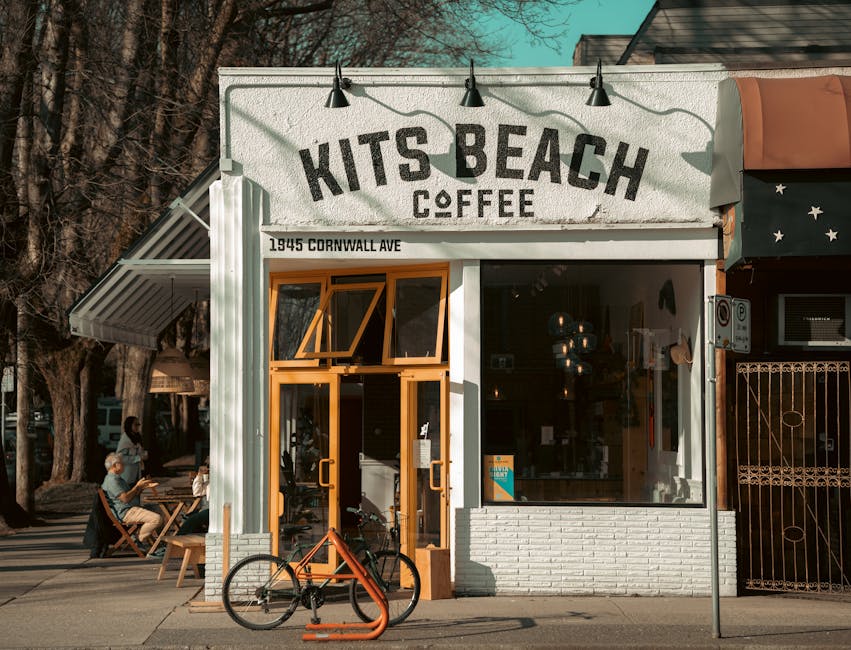
The global economy has grown by 3.2% on average since 2010, according to the World Bank. But what does this really mean for you and me? Let’s dive into the complex system that involves the production, distribution, and exchange of goods and services. Imagine a local business, like a coffee shop, in your neighborhood. It may seem like a small, insignificant part of the economy, but it actually contributes to the national economy in many ways. The coffee shop creates jobs, pays taxes, and sources materials from other local businesses, all of which help to stimulate economic growth.
For instance, the coffee shop may buy coffee beans from a local roaster, which in turn sources its beans from a farm in another country. This international trade helps to boost the economy of the country where the farm is located, and also contributes to the global economy. As we can see, the economy is a complex web of interactions between individuals, businesses, and governments, all of which play a crucial role in shaping our daily lives.
The Importance of a Well-Functioning Economy
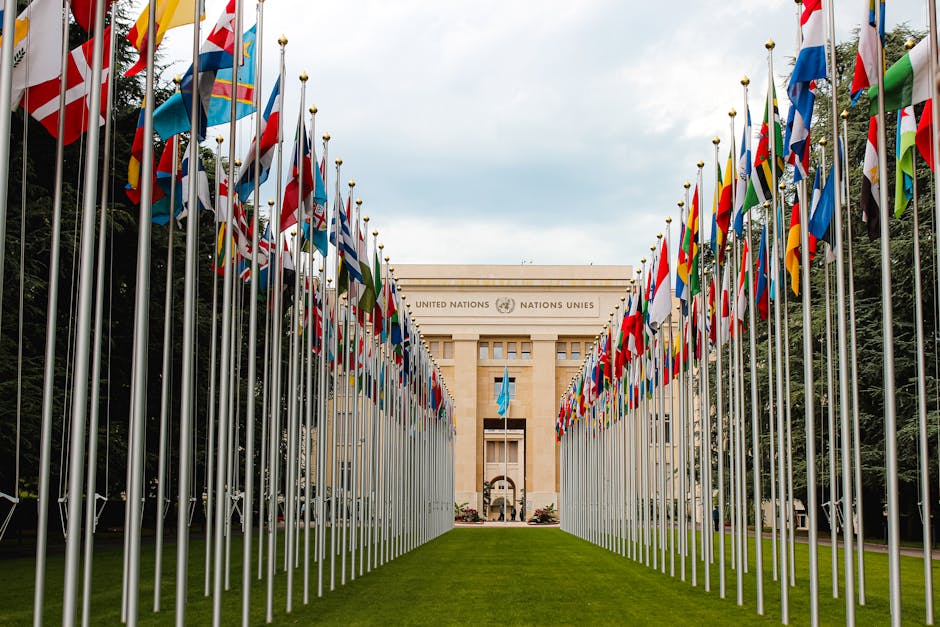
A well-functioning economy is essential for a country’s growth and development, according to economist Joseph Stiglitz. The International Monetary Fund (IMF) plays a crucial role in promoting global economic stability and cooperation. Think of the IMF like a referee in a sports game, ensuring fair play and stability. Just as a referee enforces the rules of the game to prevent chaos and ensure a level playing field, the IMF works to promote global economic cooperation and prevent economic crises.
The IMF provides financial assistance to countries in need, helps to establish international trade agreements, and monitors economic trends to identify potential risks. By promoting global economic cooperation, the IMF helps to create a stable and prosperous economy that benefits everyone. For example, during the 2008 financial crisis, the IMF provided financial assistance to several countries, including Greece and Ireland, to help them recover from the crisis.
Global Economic Statistics

The global GDP was $88.3 trillion in 2020, with the United States accounting for 24.8% of the total, followed by China with 14.3%. A study by the Organisation for Economic Co-operation and Development (OECD) found that 70% of the world’s population lives in countries with growing economies. Here is a table comparing the GDP of the top 5 countries:
| Country | GDP (2020) |
|---|---|
| United States | $22.67 trillion |
| China | $14.34 trillion |
| Japan | $5.15 trillion |
| Germany | $4.24 trillion |
| United Kingdom | $2.62 trillion |
The OECD study found that many countries are experiencing rapid economic growth, which is helping to reduce poverty and improve living standards. However, the study also noted that there are still significant challenges to be addressed, including income inequality and environmental degradation.
Debating the Current Economic System
Some experts, such as economist Thomas Piketty, argue that the current economic system is flawed and leads to income inequality. Others, like economist Milton Friedman, believe that free market economies are the most effective way to promote economic growth and prosperity. Here are some key arguments for and against the current economic system:
Arguments For:
* Free market economies promote competition and innovation, leading to higher productivity and economic growth
* Government intervention in the economy can lead to inefficiencies and corruption
* The current economic system has lifted millions of people out of poverty and improved living standards around the world
Arguments Against:
* The current economic system leads to significant income inequality, with the top 10% of earners holding 52% of the global wealth
* The system prioritizes economic growth over social and environmental well-being, leading to environmental degradation and social unrest
* The current economic system is vulnerable to economic crises, such as the 2008 financial crisis, which can have devastating effects on individuals and communities
As we can see, there are valid arguments on both sides of the debate. While the current economic system has its flaws, it has also lifted millions of people out of poverty and improved living standards around the world. However, it is also important to address the significant challenges posed by income inequality, environmental degradation, and economic instability.
The Future of the Economy
As we look to the future, it is clear that the economy will continue to play a crucial role in shaping our daily lives. With the rise of new technologies, such as artificial intelligence and blockchain, there are many opportunities for innovation and growth. However, there are also significant challenges to be addressed, including climate change, income inequality, and economic instability.
So what can we do to prepare for the future of the economy? First, it is essential to stay informed about economic developments and their impact on our daily lives. This includes following news and trends, as well as educating ourselves about personal finance and economic literacy. Second, we must be proactive in addressing the challenges posed by the current economic system, including income inequality and environmental degradation. This includes supporting policies and initiatives that promote social and environmental well-being, as well as making conscious choices in our daily lives to reduce our impact on the environment.
Ultimately, the future of the economy is uncertain, but one thing is clear: it will be shaped by the choices we make today. Will we continue to prioritize economic growth above all else, or will we work towards creating a more sustainable and equitable economy that benefits everyone? The answer to this question will depend on our collective actions, and it is up to us to create the future we want.
FAQ
Q: What is the current state of the global economy?
A: The global economy is currently experiencing a period of slow growth, with the World Bank predicting a growth rate of 3.2% in 2023.
Q: How does the economy affect my daily life?
A: The economy affects your daily life in many ways, from the prices you pay for goods and services to the availability of jobs and the stability of your financial future.
Q: What can I do to prepare for the future of the economy?
A: You can prepare for the future of the economy by staying informed about economic developments, educating yourself about personal finance and economic literacy, and making conscious choices in your daily life to reduce your impact on the environment.