

Introduction to Economic Freedom
Imagine living in a country where you can start a business without needing 10 different permits, or where you can invest your money without the government taking a huge chunk of it. This is the reality of economic freedom, a fundamental human right that enables individuals to pursue their economic goals and improve their well-being. According to the Fraser Institute, economic freedom is “the ability of individuals to make their own economic decisions, free from government interference.” A great example of a country with high economic freedom is Singapore, which has consistently ranked as one of the top countries in the world for economic freedom. Singapore’s business-friendly environment has made it an attractive destination for entrepreneurs and investors, and its economy has flourished as a result.
Measuring Economic Freedom
Indices and Components
So, how is economic freedom measured? There are several indices used to assess economic freedom, including the Economic Freedom of the World (EFW) index and the Index of Economic Freedom by the Heritage Foundation. These indices evaluate countries based on various components, such as business freedom, trade freedom, and fiscal freedom. The following table compares the key components of these indices:
| Index | Business Freedom | Trade Freedom | Fiscal Freedom |
| EFW | Size of government, taxation | Tariffs, trade restrictions | Government spending, taxation |
| Heritage Foundation | Business start-up regulations, labor market regulations | Trade freedom, investment freedom | Fiscal freedom, government spending |
The Heritage Foundation’s Index of Economic Freedom assesses countries based on 12 factors, including property rights, corruption, and monetary freedom. By evaluating these components, these indices provide a comprehensive picture of a country’s economic freedom.
Benefits of Economic Freedom
Economic Growth and Prosperity
The benefits of economic freedom are numerous. Countries with high economic freedom tend to have higher GDP per capita, with an average of $44,950 in 2020, compared to $6,140 in countries with low economic freedom, according to the World Population Review. Economic freedom can be thought of as a fertile ground where businesses can grow and thrive, leading to increased innovation and entrepreneurship. Just as a farmer needs a fertile soil to grow crops, businesses need a free and open economy to flourish. With economic freedom, individuals are more likely to take risks, invest in new ideas, and create jobs, leading to economic growth and prosperity.
Top Countries for Economic Freedom
Global Rankings
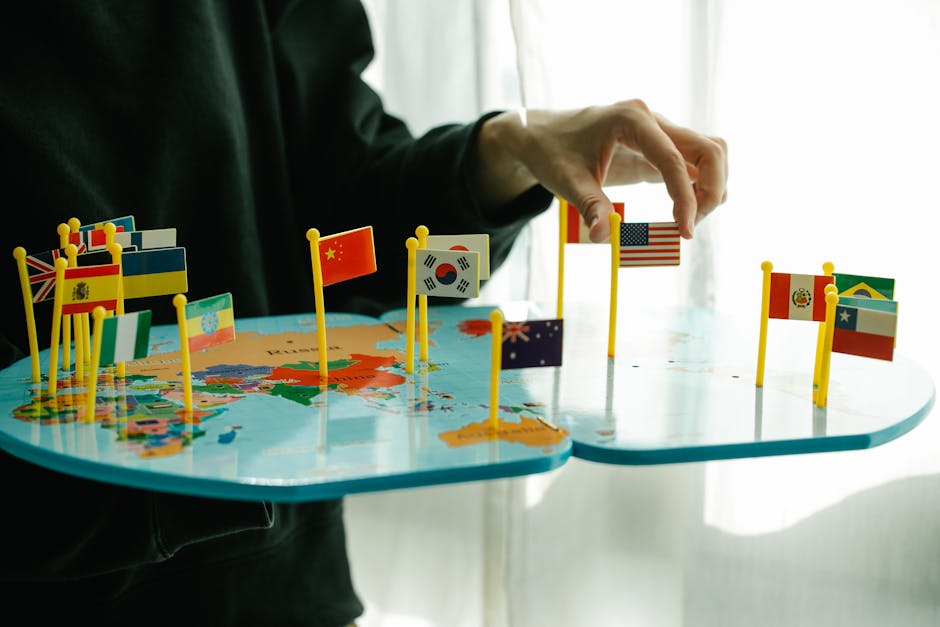
So, which countries have the highest economic freedom? According to the Heritage Foundation, the top 5 countries with the highest economic freedom in 2022 are:
* Singapore
* New Zealand
* Australia
* Switzerland
* Ireland
These countries have created an environment that fosters economic freedom, with business-friendly regulations, low taxes, and minimal government interference. For example, Singapore’s business-friendly environment has made it an attractive destination for entrepreneurs and investors, and its economy has flourished as a result.
Challenges and Criticisms
Balancing Economic Freedom and Social Welfare
However, some argue that economic freedom can lead to income inequality and exploitation of workers. As Joseph Stiglitz, a Nobel laureate in economics, once said, “The pursuit of economic freedom must be balanced with the need to protect the environment, public health, and social welfare.” This is a valid concern, and governments must find a balance between economic freedom and social welfare. While economic freedom is essential for prosperity, it is not a zero-sum game. Governments can implement policies that protect workers’ rights, regulate monopolies, and ensure that the benefits of economic freedom are shared by all.
The Future of Economic Freedom
As the world becomes increasingly interconnected, the pursuit of economic freedom will be crucial for countries to remain competitive and prosperous. With the rise of globalization and technological advancements, countries that embrace economic freedom will be better equipped to adapt to changing economic conditions and thrive in a rapidly changing world. As we look to the future, one question remains: will countries prioritize economic freedom and create an environment that fosters innovation, entrepreneurship, and prosperity, or will they succumb to the temptation of government control and regulation? The answer will have a profound impact on the future of our global economy.