

On March 16, Fu Linghui – spokesperson for the National Bureau of Statistics of China stated that they have sufficient energy resources, despite the conflict in the Middle East causing oil and gas flows through the Strait of Hormuz to be paralyzed for more than two weeks. In front of the press, Fu affirmed that the energy supply of the country is “relatively stable,” providing a “relatively good” foundation to cope with external fluctuations.
According to data released today, China’s crude oil production in the first two months of the year reached 35.73 million tons. This figure represents an increase of nearly 2% compared to the same period last year.
On March 15, U.S. President Donald Trump stated that he wants China to help reopen the Strait of Hormuz, as he believes they depend on oil from the Gulf more than the U.S. “I think China should also help because 90% of the oil they use comes from this strait,” he said, adding that his visit to China at the end of this month may be postponed.
The prices of two key global crude oils, Brent and WTI, surpassed 100 USD per barrel this morning – the highest in 4 years. Iran’s blockade of the Strait of Hormuz has disrupted global oil and gas flows. However, during the conflict, Iran still transported over 11 million barrels of oil to China via this route.
In recent years, U.S. sanctions on Iran have made China one of the few countries buying oil from Tehran. Iran currently contributes about 20% of China’s oil imports.
Additionally, analysts estimate that only about 40-50% of China’s seaborne oil imports pass through Hormuz, equivalent to 6.6% of Beijing’s total energy consumption.
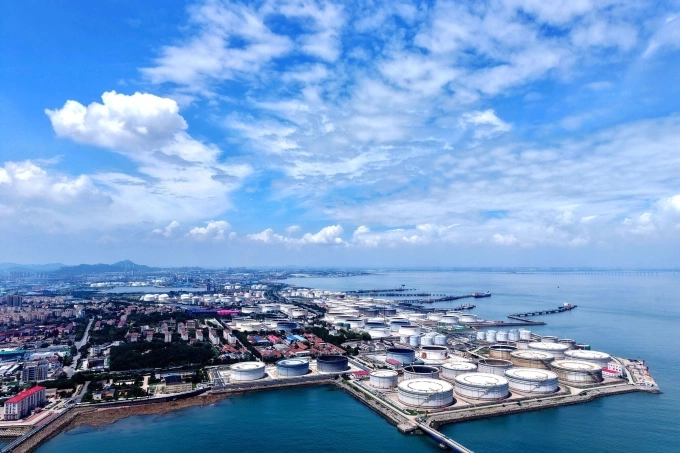
Data company Kpler reported that as of January, China held about 1.2 billion barrels of crude oil reserves on land, among the largest in the world. This figure is sufficient to meet their needs for 3-4 months.